YOUTH VOICES FROM OKINAWA • GERMANY
A first journey beyond Europe led Hannes to think deeply about cultural identity, historical memory and the role young people can play in carrying new perspectives home.
Student story: Hannes Hertzer • Germany
For Hannes Hertzer, one of the most memorable sights in Okinawa was not simply a building. It was the effort surrounding it, the determination to preserve Shuri Castle and keep a connection with the past alive.
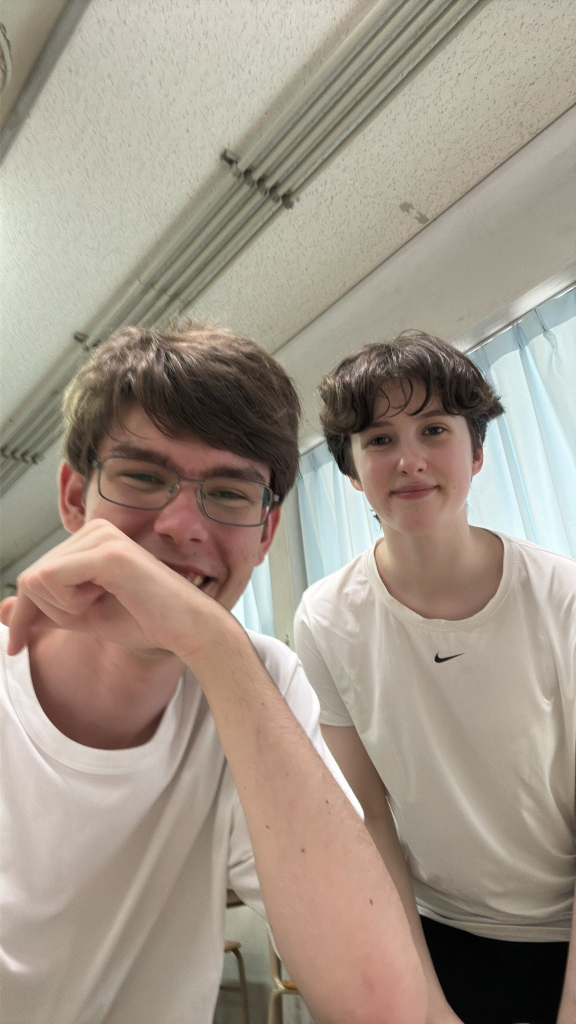
Hannes came to the programme from Berlin with a strong interest in culture and language, particularly in how both shape the way people understand the world. Japan was also his first experience travelling beyond Europe, so he expected to encounter unfamiliar customs. What he found was an environment that made him think not only about Okinawa, but also about Germany and his own place within society.
At school, Hannes noticed rules and routines that differed sharply from his experience at home: uniforms, restrictions around appearance, larger classes and schools that remained active well beyond formal lesson time. Festivals, performances, sports and club activities also seemed closely connected to school identity.
What interested him most was the pride students appeared to take in belonging to their schools. Those observations prompted him to consider how institutions and communities create identity, and how traditions survive when people actively participate in them.
That question followed him through the programme. At Shuri Castle, Hannes was fascinated by the work being done to preserve cultural heritage. Across museums and other visits, he encountered Okinawa’s distinctive history and a culture shaped by multiple influences.
He began thinking about globalisation and the pressure it can place on local traditions. His impression was that people in Okinawa were making a deliberate effort to educate others about their heritage and keep cultural practices visible in everyday life. That led him to reflect on which traditions remain prominent in Germany and which parts of cultural identity can become less visible over time.

Visits connected with the Battle of Okinawa and wartime memory prompted another comparison with home. Hannes recognised a familiar seriousness in the way difficult history is remembered and taught. Rather than treating the histories of Germany, Japan and Okinawa as identical, the experience encouraged him to consider a broader question: how should societies remember the consequences of war, and what responsibility does that place on later generations?
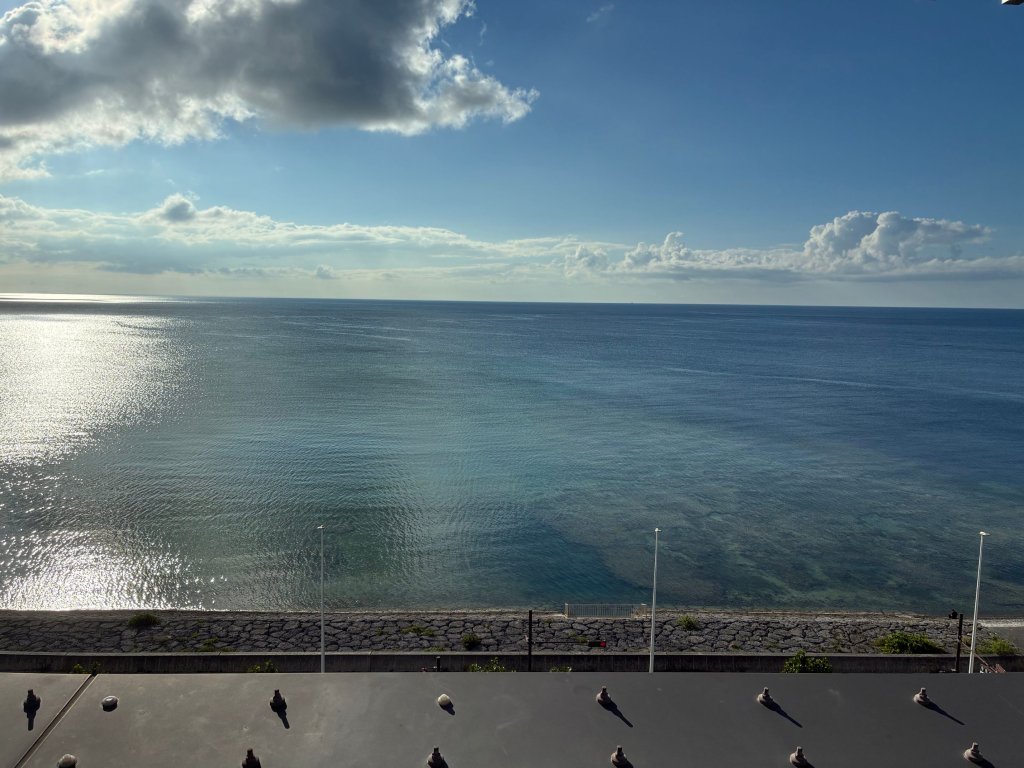
The natural environment offered a different kind of contrast. Okinawa’s humid subtropical climate, unfamiliar plants and wildlife were far removed from Berlin. Environmental discussions, particularly around water, also made Hannes focus on how small individual choices can become meaningful when adopted collectively.
After returning home, he found himself thinking about other cultures more often in everyday life. He describes becoming more aware of who he is within society and of the role he can play in it.
That awareness is already feeding into his next steps. Hannes plans to continue participating in his school debating club, now bringing new perspectives to the topics he discusses. In the longer term, he is interested in leadership and advisory roles, perhaps even working with young people.
His Okinawa experience did not leave him with a single simple answer about culture or leadership. Instead, it left him with questions worth continuing to ask: What do communities choose to preserve? How do we learn responsibly from history? And how can a young person carry new perspectives into the conversations happening at home?