AIPC Pandora’s Approach to the New Youth Mobility
Why Spain Has Become a Preferred Destination for Cultural and Educational Exchange
(and what this means for an organization like AIPC Pandora)
In a global context where international youth mobility is redefining its priorities — more purpose, more safety, more impact — Spain has emerged as one of the world’s most attractive educational destinations. But this phenomenon is no coincidence. It is the result of a convergence of global educational trends, sociopolitical changes, and a profound transformation in the very concept of the “international experience.”
This article not only explores why Spain is at the center of this trend, but also the opportunities it creates for organizations such as AIPC Pandora.
Spain: A Global Leader in Educational Mobility (and Not Only in Europe)
Spain is not just another player on the international map. It is the world’s most popular destination for mobility programs such as Erasmus+. In 2025, it welcomed more than 73,600 Erasmus students, significantly outperforming other European destinations.
In addition:
- More than 600,000 international students came to Spain in a single academic year
- The number of international students has doubled in less than a decade
This is not educational tourism. It is a consolidated ecosystem.
A strategic insight for AIPC Pandora:
Spain is no longer competing to attract students. It is already a hub. The challenge now lies in differentiating the type of experience being offered.
From “Study Abroad” to “Purpose Abroad”: A Paradigm Shift
International educational innovation is moving beyond the traditional exchange model based on language learning and university attendance.
Today, three major trends dominate:
a) Experiential learning with impact
Young people are looking for:
- Real-world projects
- Measurable social impact
- Transformative experiences
An approach that aligns directly with the international volunteering and social entrepreneurship model promoted by AIPC Pandora.
b) Hybrid education (academic learning + human skills)
The value no longer lies solely in academic content, but also in:
- Intercultural skills
- Adaptability
- Social leadership
Spain stands out here because it combines university life, strong social interaction, and an intense cultural environment.
c) Shorter, more intensive programs
Spain is particularly strong in short-term programs and flexible mobility formats.
A format that is especially aligned with AIPC Pandora’s differentiated approach compared to more traditional university models.
A Country That Facilitates (and Encourages) International Students
While other destinations are tightening immigration policies, Spain is moving in the opposite direction:
- Active strategies to attract international talent
- Annual growth of +6.5% in international students
- An increasing number of programs taught in English (especially master’s degrees)
All of this helps reduce barriers to entry, particularly for international families.
Key takeaway for AIPC Pandora:
Spain is not only attractive. It is accessible.
The Differentiating Factor: Deep Cultural Experience
This is where Spain clearly stands out.
It is not just about education. It is about:
- Lifestyle
- Climate
- Relational culture
- Relative safety compared to other destinations
And this has a direct impact on family decision-making.
In fact:
International students generate more than €6.3 billion annually, with high spending on leisure and cultural experiences.
In other words, the value of the international experience is built both inside and outside the classroom.
Spain in the New Geopolitical Education Landscape
A less discussed, yet highly significant factor:
- Families who previously chose the U.S. are now looking for safer alternatives
- Europe is gaining importance as an educational destination
- Spain is positioning itself as an emotionally appealing premium option
In addition:
- Interest from non-European students continues to grow
- Spain is emerging as a strong alternative to the U.S. and the UK
This context creates a particularly relevant opportunity for programs like those offered by AIPC Pandora.
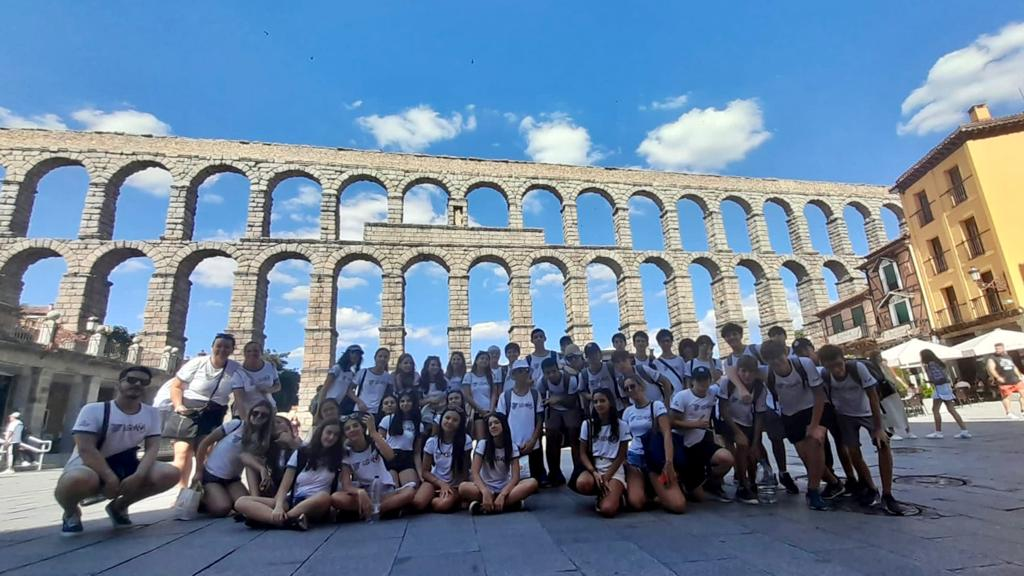
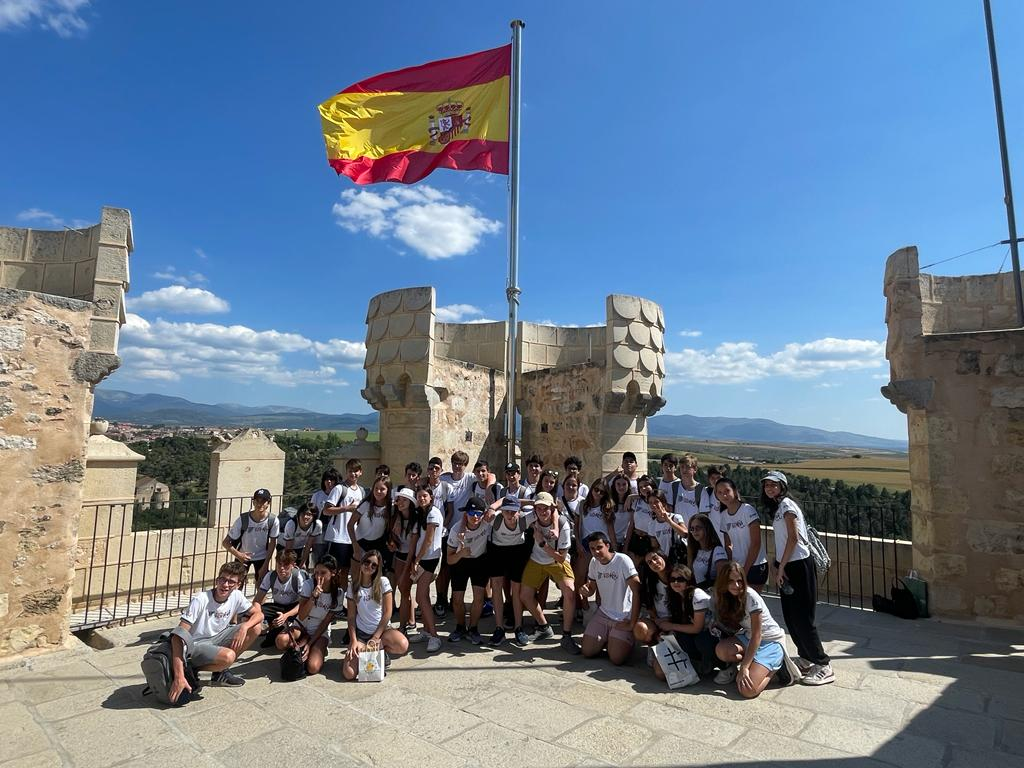
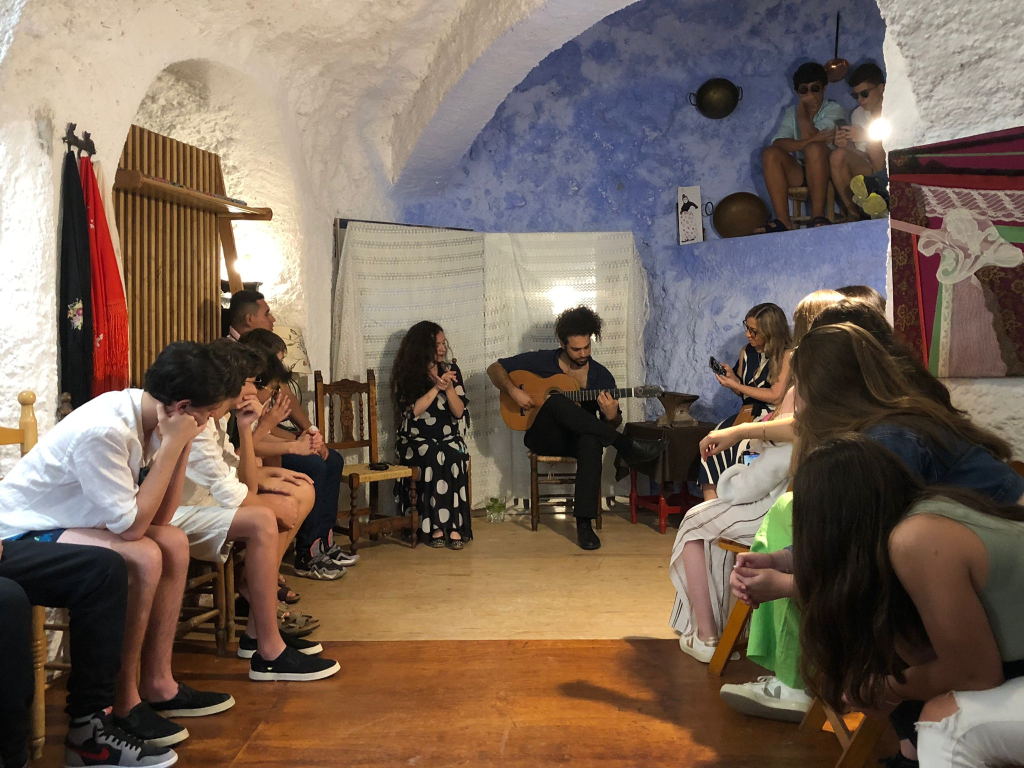
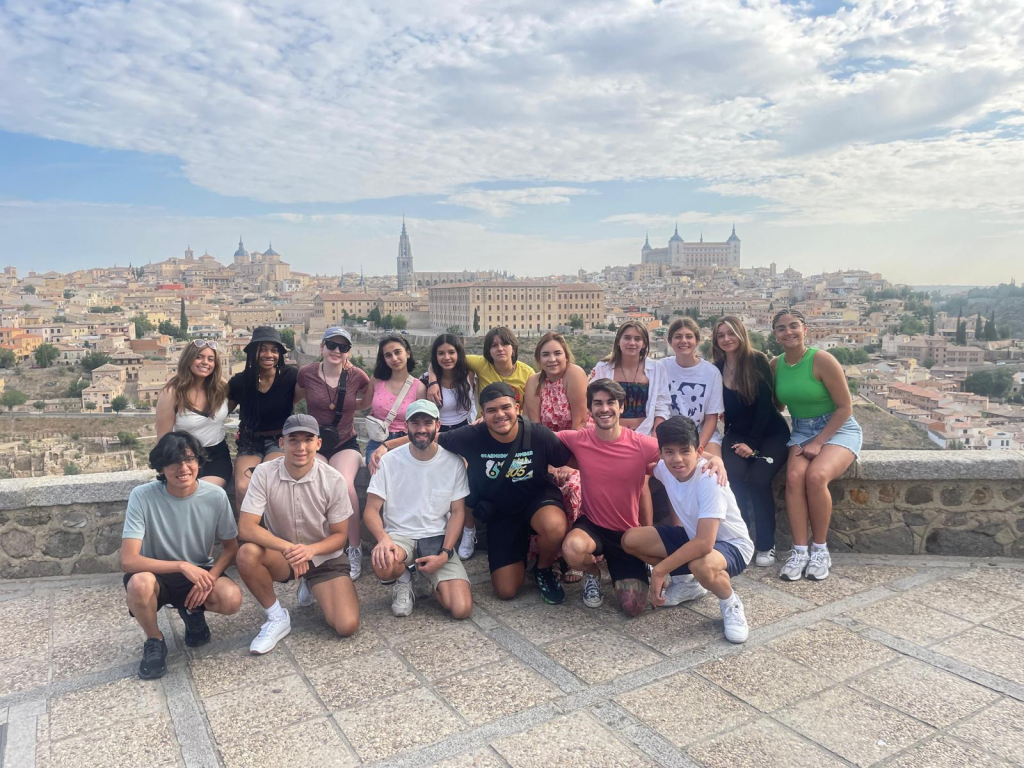
The Real Challenge (and Opportunity): Differentiating the Experience
This is where it becomes especially important.
Spain already attracts students.
But that also creates a new challenge: the growing commoditization of the international experience.
Many programs offer:
- Classes + excursions
- Superficial exchange experiences
- Limited personal impact
Where AIPC Pandora Can Lead
AIPC Pandora does not compete in:
- Universities
- Language learning
- Educational tourism
It competes in something far more meaningful: personal transformation through social impact.
And this aligns perfectly with today’s trends:
- Young people seeking purpose
- Families looking for safe yet meaningful experiences
- An education that goes beyond the résumé
Final thoughts
Spain has become a preferred destination not only because of what it offers, but because of how well it fits into the new model of international education:
- More experiential
- More human
- More transformative
But in an increasingly saturated landscape, the real value no longer lies in the destination itself, but in the design of the experience.
In today’s international educational mobility, changing countries is no longer enough. What young people — and their families — are truly seeking are experiences capable of shaping perspective, critical thinking, connection, and personal transformation.
And in this new landscape, the real value lies not only in the destination, but in the approach through which the experience is lived.
That is where initiatives such as AIPC Pandora’s have become especially relevant today.