YOUTH VOICES FROM OKINAWA • FRANCE
For Paul, some of Okinawa’s strongest lessons were found not in grand gestures, but in a restaurant apology, a bus journey, a classroom and a farewell party.
Student story: Paul de Ricaud • France
What can a delayed drink at a restaurant teach you about another culture? For Paul de Ricaud, quite a lot.
On his first night in Okinawa, Paul was eating at a restaurant with his host family when his drink took a little longer than expected to arrive. The staff apologised and offered him another. It was a small interaction, but one that stayed with him. Paul had expected Japanese people to be polite and friendly; experiencing that consideration first-hand made the idea feel much more real.
Paul travelled from France with a longstanding interest in Japan and the hope that the Federation EIL Global Youth Leadership Programme would give him more than a sightseeing experience. He wanted to discover Japanese culture while developing skills that could help him take initiative, think about contemporary issues and contribute more confidently in the future.
His first impressions were often shaped by ordinary moments. Simply moving around Okinawa on foot or by bus felt safe and relaxing. Watching how people interacted with one another made him notice the warmth, respect and consideration embedded in daily life.
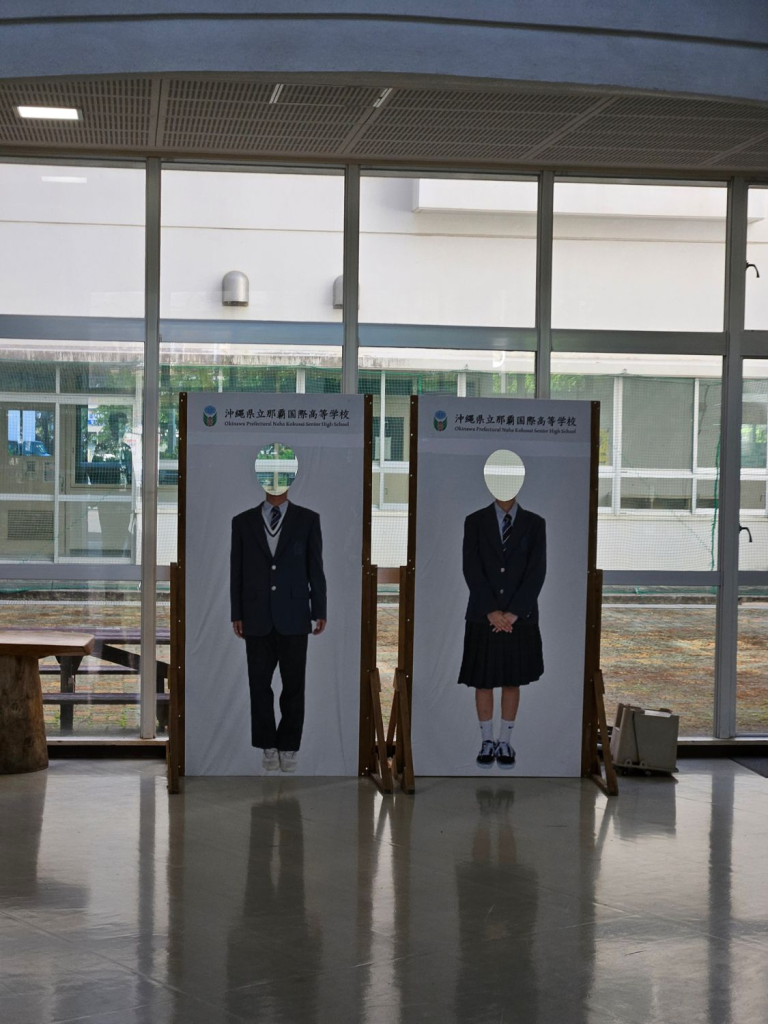
At school, those observations continued. Compared with France, Paul found school life in Okinawa more structured and disciplined. Students wore uniforms, cleaned their classrooms and invested significant time in school clubs. He was particularly struck by teamwork and by the way students helped one another.
Yet the differences also revealed common ground. Students still enjoyed being with friends, studying together, taking part in events and sharing interests such as music and sport. For Paul, intercultural learning was not only about identifying what was different; it was also about recognising the familiar within an unfamiliar setting.
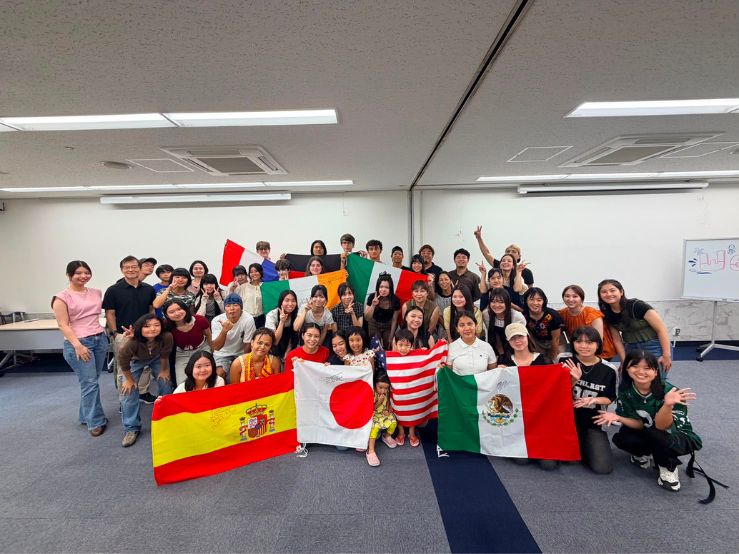
The programme’s environmental sessions added another dimension. Learning about pressure on global water resources made Paul think about both individual choices and the wider systems that consume water. At home, he wants to be more careful about everyday use, from reducing unnecessary running water to reconsidering habits that consume more than needed.
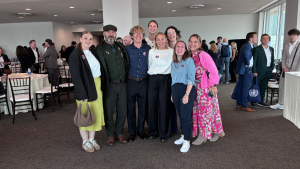
By the end of the programme, however, Paul’s favourite memories were again rooted in people. On his last day, participants wrote kind messages to one another. That evening, his host family organised a farewell party with cake and presents. The combination of those gestures turned departure into one of the most memorable moments of his stay.
Returning to France, Paul could see changes in himself. Living with a host family, communicating in English, meeting students from several countries and sharing ideas every day helped him become more open-minded and independent. He also gained confidence speaking in front of others.
He now wants to share what he learned, encourage people around him to be curious about other cultures and become involved again in projects and activities where he can contribute.
His advice to future participants is simple: step outside your comfort zone. Try new things, ask questions and talk to as many people as possible. And enjoy the experience while it is happening, because, as Paul discovered, it passes much faster than you expect.
In Okinawa, the little things added up. A restaurant apology, a safe bus journey, a welcoming classroom, messages from new friends and a family farewell all became part of a much bigger lesson about openness, confidence and how we choose to treat one another.